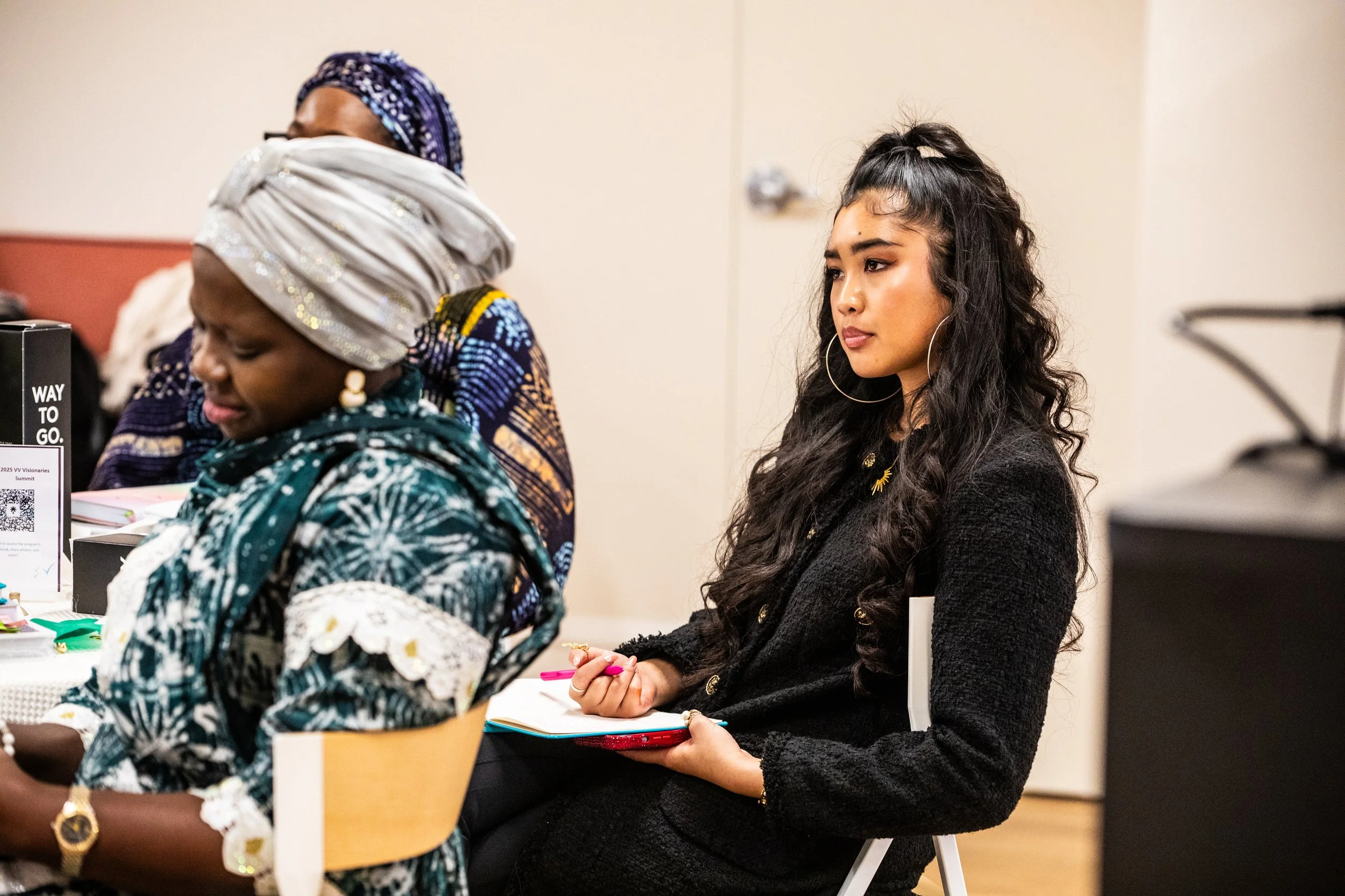
Lea’s story.
Lea began her advocacy journey at just 13 years old, when she founded Youth for Juvenile Justice Reform, a youth-led organization challenging the stigma surrounding incarcerated and formerly incarcerated people. What started as a small passion project grew into a national storytelling effort: Lea interviewed nearly 200 incarcerated and formerly incarcerated individuals.
At 16, Lea was elected student board member for the San Diego Unified School District, representing roughly 100,000 students across more than 200 schools. From the board dais, she championed policies on sex trafficking prevention, gun violence, mental health support, and climate resilience.
At 17, Lea launched Beauty Beyond Bars, the first initiative of its kind devoted to addressing the correctional hygiene crisis. Rooted in dignity, Beauty Beyond Bars distributes essential beauty and hygiene products to jails, prisons, and detention centers nationwide, while advancing legislation to improve living conditions behind bars. Their work has contributed to landmark state policy, most notably California’s Culturally Competent Hair Care Act, signed into law in 2024, and is now expanding nationally.
Outside of Beauty Beyond Bars, Lea has served as a policy and communications consultant to leading justice organizations. She has supported the ACLU, Brady United, Vera Institute of Justice, and statewide coalitions through strategic research and narrative development.
Most recently, Lea served as the founding Chief Growth Officer at Code Four, a Y Combinator–backed public safety technology startup. There, she shaped go-to-market strategy and government procurement for cutting-edge computer vision technology solving inefficiencies in the criminal justice system.
Alongside her policy work, Lea has emerged as a leading voice online. She has built a community of over 50,000 followers, reaching millions each month with content centered on curiosity and social change. Her work has been recognized by Teen Vogue's 21 Under 21, e.l.f. Beauty's 22 Under 22, and featured by Vogue, Allure, the Associated Press, and other national outlets.
Today, Lea continues to build at the intersection of criminal justice and innovation. Whether crafting policy, launching youth-led initiatives, advising national organizations, or reimagining how products reach people behind bars, her mission remains the same: